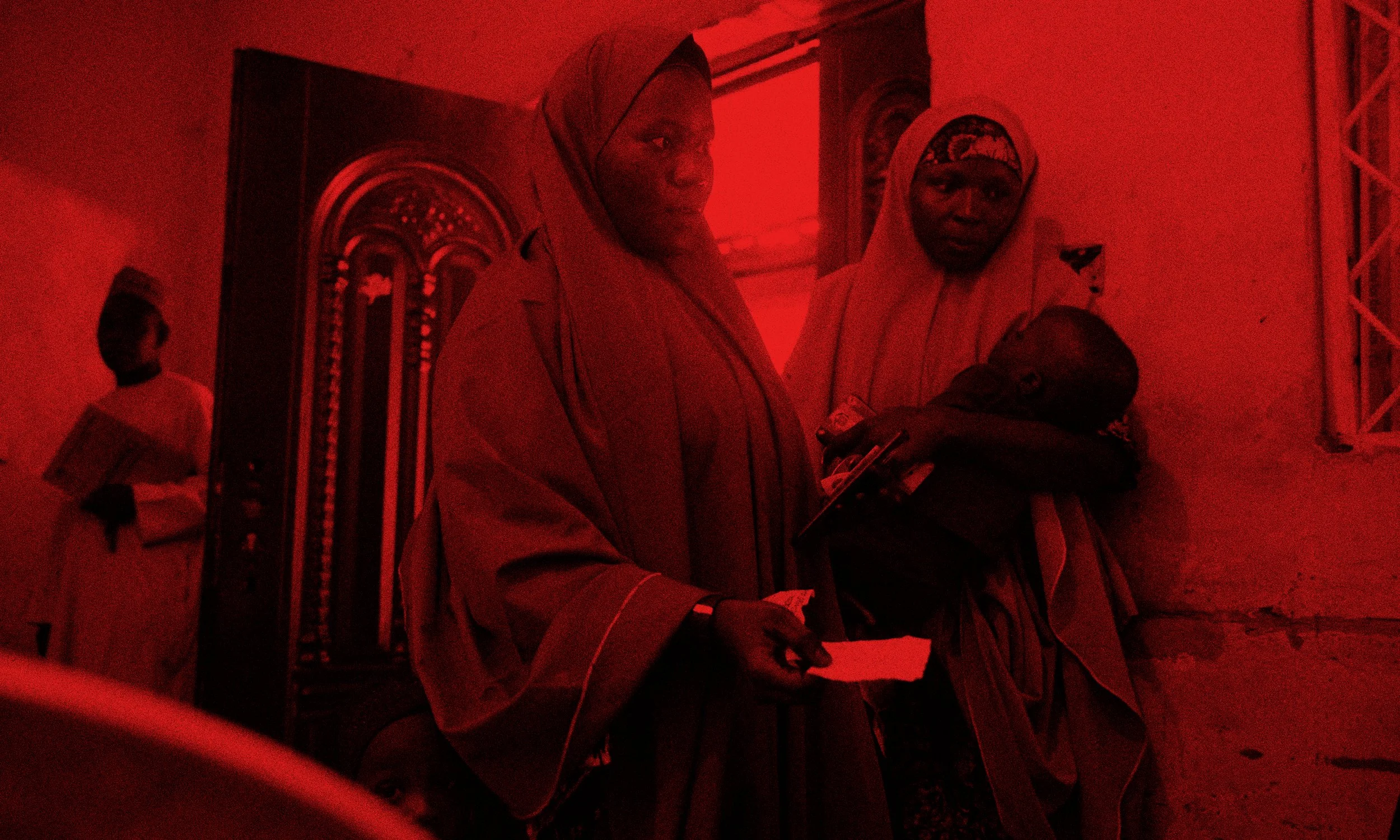
BHDM exists to expose the human cost of a health research system that consistently underfunds Black lives
+
THE MISSION
Across the world, diseases that predominantly affect Black communities receive less investment, fewer trials, and delayed innovation, not because solutions are impossible, but because they are deemed unprofitable. The result is avoidable suffering, shortened lives, and generations left behind by medical progress.
We work to close this funding gap by driving policy change, holding institutions to account, and keeping Black health firmly on the global agenda. From research priorities to pharmaceutical investment, we apply sustained pressure until equity is no longer optional.
This is not about charity or awareness. A healthy future for the Black community is a requirement for a just and functional global health system.

+
THE PROBLEM
Healthcare in sub saharan Africa

POPULATION
IN 2021, AN ESTIMATED 7.74 MILLION PEOPLE WERE LIVING WITH SICKLE-CELL DISEASE GLOBALLY, WITH SUB-SAHARAN AFRICA ACCOUNTING FOR NEARLY 80% OF GLOBAL CASES.

POWER
ONLY 28% OF HEALTHCARE FACILITIES IN SUB-SAHARAN AFRICA HAVE ACCESS TO A RELIABLE POWER SUPPLY, PROHIBITING THE USE OF TREATMENTS WHICH REQUIRE REFRIGERATION. EVEN IN FACILITIES THAT ARE CONNECTED TO THE GRID, POWER IS OFTEN INTERMITTENT. WITHOUT EXPENSIVE BACKUP GENERATORS A SINGLE 4-HOUR BLACKOUT CAN RUIN AN ENTIRE PHARMACY'S STOCK.

Distribution
"LAST-MILE" DISTRIBUTION OFTEN INVOLVES TRANSPORTING MEDICINES ACROSS SOME OF THE WORST ROADS IN THE WORLD IN EXTREME TROPICAL HEAT. IN MANY REGIONS, THE SPECIALIZED REFRIGERATED TRUCKS NEEDED FOR THIS ARE UNAVAILABLE.
+
THE GOAL
As medical innovation accelerates, a fundamental injustice remains embedded in global health: Black health is systematically underfunded. From exclusion in clinical trials to the neglect of diseases like Sickle Cell, investment in health research follows wealth, not need.
Conditions that disproportionately affect Black communities receive less attention, fewer resources, and delayed innovation. The BHDM exists to confront this failure. We expose the human cost of medical neglect and apply sustained pressure until funding, policy, and research priorities change.